Change region
 United States
 Canada
 Australia
 New Zealand
 South Africa
 Saudi Arabia
 United Arab Emirates
 Kuwait
 Qatar
 Nigeria
 Cyprus


Quick answer: "poundland" most likely refers to Poundland. Poundland is a discount chain. Below: what to check, what it costs to shop there and where to find the current details.
We last updated this in November 2026, but prices, offers and store details tend to shift regularly, so treat what's written as a snapshot and give the official source a once-over before you spend.
Here's what you need to know about "poundland". I've done the digging so you don't have to trawl through ten tabs.
The short version on Poundland
Poundland is a discount chain. Gordon Brothers bought it from Pepco Group for a nominal £1 in June 2025 and has been closing stores; reports put the estate between about 620 and 650 stores in early 2026, down from 820, with a later report saying the owner was exploring a sale. It has moved back to simple £1, £2 and £3 pricing on groceries.
What to know about Poundland
With Poundland, it pays to check the basics before you commit: the price including delivery, the returns policy, the warranty on bigger items, and whether there's a cheaper own-brand alternative. A quick look at the reviews on a site that isn't the retailer's own gives you a more balanced view.
Poundland has limited online ordering; check poundland.co.uk for what's actually available.
| Check | What to do |
|---|---|
| Official site | poundland.co.uk is the source for current prices, offers and policies |
| Delivery and collection | Check fees and minimum baskets at checkout |
| Returns | Know the window before you buy; legal rights apply regardless |
| Loyalty | Check whether the price needs a card or app |
Tips that save money and hassle
When you pay £100-£30,000 on a credit card, Section 75 of the Consumer Credit Act 1974 steps in, making the card provider jointly responsible with the seller if things fall through, and you’re still free to settle the balance monthly to avoid any interest charges.
When you shop at a handful of places, a cashback site or loyalty app might be useful, yet you shouldn’t chase points. It’s a poor deal to spend an extra £30 just to get £1 back. Use only those schemes that match your normal purchases and check the terms for expiry dates, because points and vouchers often disappear after a set period.
Look for discounts you might be missing. Students can often get money off through UNiDAYS or Student Beans, NHS staff and emergency-service workers can get the Blue Light Card, and some retailers run over-60s days or teachers' discounts. They're free to check, and a ten per cent saving on a big purchase is worth the two minutes it takes.
Fake reviews are a real problem online. The Digital Markets, Competition and Consumers Act 2024 banned fake reviews and 'drip pricing' (hiding compulsory fees until the end), with the main consumer rules coming in from April 2025. In practice, that means the price you see should include unavoidable fees. If it doesn't, screenshot it and complain to the retailer and Trading Standards through Citizens Advice.
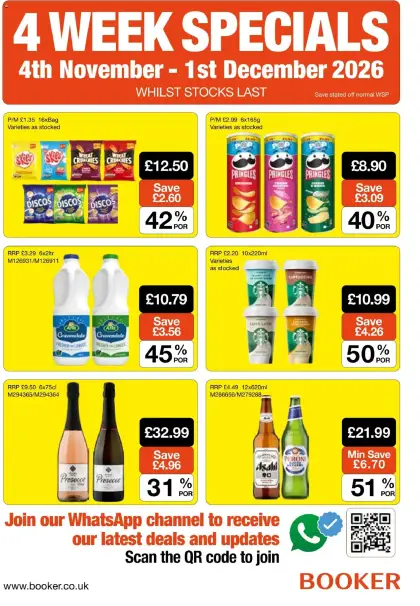
Check the unit price on food and household shopping. UK shops have to show a price per kilo, litre or unit on most goods, which lets you compare a big pack with a small one. Bigger isn't always cheaper, and multi-buy deals sometimes work out dearer than two single packs elsewhere. If the Poundland offers are not quite what you need, it is worth comparing them with the latest Booker Wholesale leaflet and the current Bestway leaflet before you decide.
If your delivery vanishes, it’s the seller’s problem, not yours. Under the Consumer Rights Act, the risk stays with the seller until you or a nominated person actually takes possession. If the courier claims it’s delivered and it isn’t, first check with the neighbours, then send a written note to the retailer asking for a new item or your money back.
Supermarket own-label items are usually the best value, and Which? has repeatedly proven they’re cheaper than their branded counterparts, sometimes by a big margin, though taste tests can be hit or miss. Try the own-label version of the stuff you buy most often and, if you can’t tell the difference, you’ve landed a permanent saving.
Don’t get caught out by buy-now-pay-later: interest-free instalments are handy, but if you miss one you’ll be hit with fees and a blot on your credit file. Unregulated schemes lack the full protections that regulated credit offers, and the rules are constantly being tweaked, so check the terms and only use them for items you could have paid for up front.
When it comes to major purchases, take a moment to measure twice, glance at the returns policy, sort out delivery and the removal of the previous item. A bit of preparation keeps you from the usual nightmare of a sofa that just won’t make it through the front door.
Trading Standards deals with misleading adverts, unsafe products and rogue traders, and you report issues through the Citizens Advice consumer service. If you think a shop has broken the rules, you don't have to take it on alone. Keep evidence: screenshots, receipts, emails and dates.
Remember, the Consumer Rights Act 2015 gives you a 30-day window to reject a faulty item and get your money back, then the retailer gets one go-at-repair or replacement. Products must be of satisfactory quality, fit for purpose and as described, so any ‘no refunds’ sign can’t sidestep the law. If a seller won’t play ball, call Citizens Advice free on 0808 223 1133.
Big brand names are a magnet for scammers, so if you get a text or email claiming a missed delivery, a prize or a 'reward' from a shop you use, don’t click the link. Type the retailer’s address yourself or open its app. You can forward any dodgy texts to 7726 for free and send suspicious emails to report@phishing.gov.uk. Should you have already shared card info, call your bank immediately on the number printed on the back of your card.
Timing matters. Prices on bigger purchases tend to dip around January, in the summer lull and around Black Friday, and groceries have their own cycle with weekly offers. If you can wait, note the price today, set a reminder, and look again in a fortnight. A little patience beats paying the first price you see.
Frequently asked questions
What is Poundland?
Poundland is a discount chain.
Is Poundland worth using?
What you purchase and how often you shop will affect it; be sure to compare prices and check the returns terms.
Where can I check current details?
On the official site, poundland.co.uk, which is the source for prices, offers and policies.
Sources
- The Grocer, Poundland: what would a new owner's game plan be: www.thegrocer.co.uk
- Express & Star, No more Poundland shops to close: www.expressandstar.com
- IBTimes, Poundland £1 to £3 pricing: www.ibtimes.co.uk
- Citizens Advice, consumer rights: citizensadvice.org.uk
- GOV.UK, Consumer Rights Act 2015 guidance: gov.uk